

LOST’s Terry O’Quinn Is The Star Of The Internet’s Latest Viral Campaign
Cast and Crew of Lost, Videos View Comments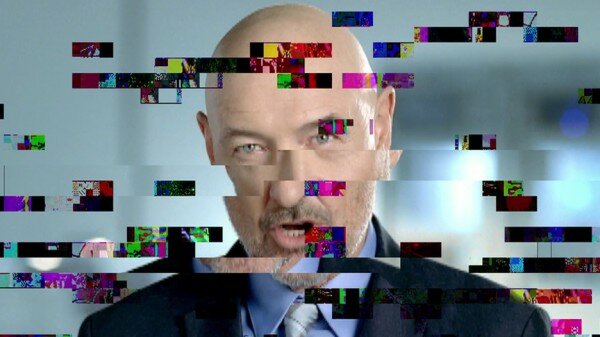
Via Collider:
At this year’s Bonnaroo Music Festival, one of the things that I heard was very cool was right before Arcade Fire performed, people said it was raining blue light from the sky. When I heard about it, I figured most of my friends were wasted and it was a plane overheard that was blinking a blue light. However, the other day I received a package and it had a flash drive and a few other things. The items had a link to testsubjectsneeded.com and one of them had “Mission Icefly” written on the side of it.
When I put the flash drive in my computer, I noticed it had a video. It starts with a sign for Bonnaroo and then it shows people reacting to what I’d heard about. As the video ends, it has a link to missionicefly.com. However, shortly after the link, the video goes black and then after a few seconds, a very short message appears. While I can’t make out what is said, I did notice the person talking is Terry O’Quinn (Lost).
Links: Testsubjectsneeded.com | Missionicefly.com
 Tags: John Locke, Terry O'Quinn, Videos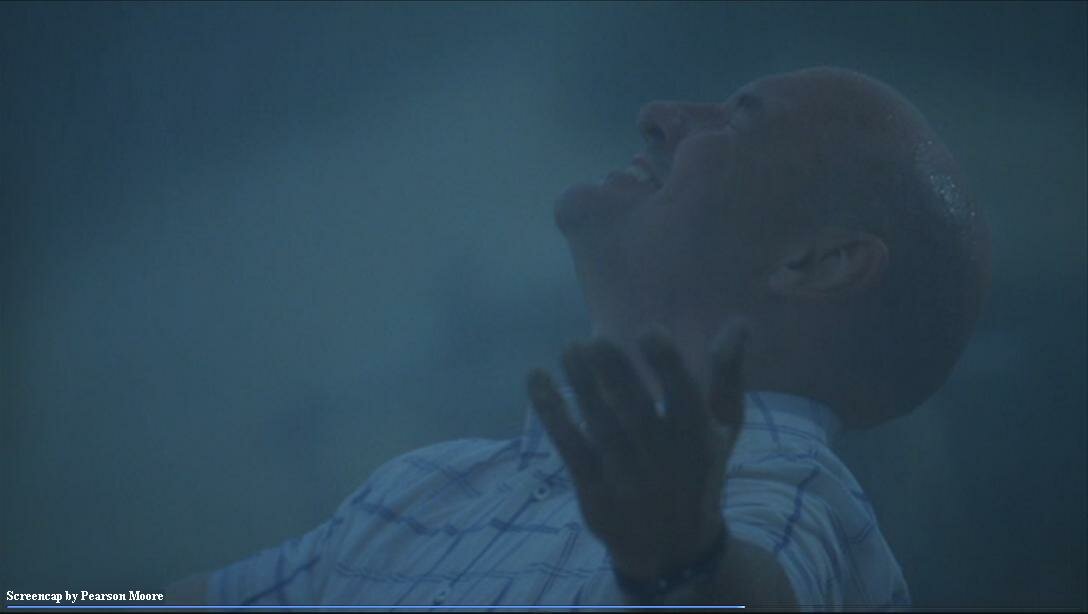




Recent Comments